


Introduction
The retail industry is an ever-evolving landscape, with new challenges emerging every day. One of the most critical aspects of retail operations is leasing, which involves managing large amounts of property and lease data, tracking important lease-related information, and ensuring compliance with lease agreements and regulatory requirements.
Leasing can be a complex and time-consuming process; without software, it can quickly become overwhelming, particularly for large, complex retail portfolios with numerous locations and assets. And if you’re still relying on spreadsheets for lease management in the retail industry, consider the challenges it presents – disorganisation, stress, and the likelihood of errors that can negatively impact your business.
Fortunately, leasing software provides a solution. Leasing software is a powerful tool that streamlines the leasing process, improves data accuracy, and enables retailers to make informed decisions. With leasing software, retailers can manage leases more effectively, reduce the time and effort required, and improve bottom-line results.
This guide is designed for leasing, property management, finance teams, and asset management retail professionals. Whether you are a seasoned professional, new to the industry, or looking to switch from manual processes, you will find valuable information and insights in this guide.
We will explore the following:
- Why leasing software is used in retail
- First steps to implementing the right solution
- The benefits of using leasing software for your retail businesses
- Key features to look for in a software solution
- How to overcome common leasing software implementation challenges
By the end of this guide, you will have a comprehensive understanding of leasing software, its benefits, and how it can help your retail business achieve its goals and become more efficient and effective with your lease management needs. Whether you want to improve your lease administration process, manage your data more effectively, or gain access to real-time analytics, this guide is your ultimate resource.
Why is leasing software used in retail?
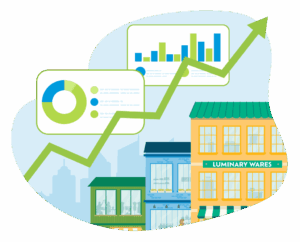 The use of leasing software has become increasingly widespread in the retail industry as retailers strive to keep up with the fast-paced and ever-changing market. The industry is competitive, and effective lease management is essential for success, profitability, and growth.
With the increasing complexity of lease agreements and regulatory requirements, retailers must have a reliable and efficient management system. Real-time access to critical lease data is more important than ever as organisations grow and the business volume increases.
Manual lease management can present a substantial challenge for retailers with extensive, complex portfolios. Manual processes often bring errors, inconsistencies, and missed opportunities, significantly impacting a retailer’s financial performance. Fragmented leasing data causes issues with reporting or making impactful business decisions, and has especially problematic for organisations with
the introduction of new lease accounting standards and the impacts of the pandemic which has caused many changes to existing leases.
To mitigate these risks and improve efficiency, implementing technology in your business is crucial in effectively managing the lease process and safeguarding the bottom line.
Leasing software also provides retailers a centralised platform for managing leases, reducing time and effort, and improving data accuracy. It automates many manual tasks involved in lease administration, such as tracking rent roll information, lease expiration dates, and lease abstracts.
Moreover, leasing software lets retailers stay up-to-date with the latest market trends and regulatory requirements. Retailers can make informed decisions and track performance metrics with real-time access to data and analytics.
First steps to implementing the right solution
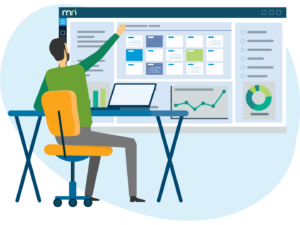 As a facilities or workplace manager, every day presents a host of responsibilities that require your attention. The challenges you face are complex and multifaceted, from maintaining a safe and productive environment for your employees to ensuring compliance with regulations, managing leases, and cost management.
1. Define your requirements:
Start by defining your leasing requirements, the compliance you need to meet, and the specific challenges you are trying to solve. Mapping out your organisational requirements will help you narrow down your options and choose a solution that meets your needs.
2. Evaluate your options:
Research the available retail leasing software solutions and evaluate their features, capabilities, and cost. Make a list of your top prospects and consider their strengths and weaknesses. Utilise software review websites, and look to see if organisations similar to the size of your business are using the software you’ve identified.
3. Consider integrations:
Evaluate the potential of the leasing software solutions you are considering integrating with your existing systems and processes, such as your property management software or workplace management system. Even better if the vendor you choose can combine all functions and software into a single solution, ultimately saving you countless hours on training, management, and data reconciliation.
4. Get feedback from stakeholders:
Like your data, ensuring your health & safety regulations are being met can be a headache and oftentimes feel like an uphill battle.
5. See it working:
Request demonstrations from the leasing software solutions you are considering to better understand their features and capabilities.
6. Review the vendor’s support and training resources:
Consider the vendor’s support and training resources to ensure that you have the help you need to implement and use the leasing software effectively.
7. Compare costs:
Compare prices of the leasing software solutions you are considering, including the upfront and recurring fees, to determine which solution best fits your budget.
8. Choose the right solution:
Based on your requirements, evaluation, and cost comparison, choose the leasing software solution that is the best fit for your retail business.
By following these high-level steps, you can be sure that you choose the right leasing software solution for your organisational requirements.
The benefits of using leasing software for retail businesses
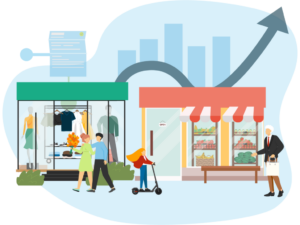 You understand the importance of running a tight and efficient operation as a retail business owner or manager. From managing lease agreements and payments, to facility management and maintenance requests, many tasks must be performed accurately and on time. Leasing software offers numerous benefits for retail businesses that can help streamline these processes and improve business outcomes.
In addition, leasing software also offers several key advantages, including:
- Streamline and automate your lease management processes. Leasing software helps to simplify and automate the leasing process, from lease generation to rent roll management and lease renewals, reducing manual labour and the risk of errors. An example of this could be getting your lease abstracts generated automatically, reducing the time and effort required to compile information manually.
- Stay one step ahead with unrivalled insight into critical real estate data. With leasing software, retail organisations have real-time access to valuable leasing information, such as rent roll data, occupancy reports, and lease expiration dates helping them make informed decisions. For example, they can monitor the performance of their entire portfolio in real-time and easily identify areas for improvement.
- Encourage a culture of corporate excellence, responsibility, and collaboration. With a centralised platform for communication and cooperation, leasing software helps improve relationships between landlords, tenants, and property management teams, promoting a corporate excellence and responsibility culture. Tenants can easily report maintenance issues through a centralised platform, which gets automatically directed to the appropriate property management team for resolution.
- Easily integrate commercial real estate (CRE) software into your current corporate setup. Leasing software can be combined with other existing systems, such as accounting and enterprise resource planning (ERP) systems, streamlining processes and reducing the risk of errors. For example, rent roll information can be automatically populated in accounting systems, reducing the time and effort required to input information manually.
- Support multiple locations, currencies, and languages with a global platform. Leasing software is an ideal solution for retail organisations with diverse portfolios. For instance, it allows tenants to access lease information and make rent payments in their preferred currency, regardless of location.
- Manage a diverse portfolio, domestic and international, in a single system. Leasing software provides a centralised platform for managing a diverse portfolio, domestic and international, reducing the time and effort required to handle leases and improving data accuracy. The software enables retail organisations to track and manage leases for multiple properties in different locations from a single system, reducing the risk of errors and improving data accuracy.
Key features to look for in a software solution
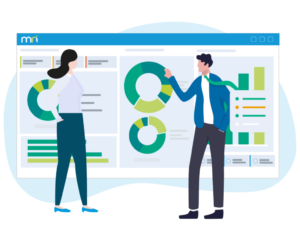 When looking for a leasing software solution for your retail business, it is important to consider features that best meet your needs. Not every vendor offers the same modules, so ensure you follow the steps to implementation outlined earlier in this guide.
Depending on the size and complexity of your business, your requirements may vary, but here are the top 6 features we recommend:
1. Lease Management
The core function of any leasing software solution is lease management. Look for a solution that allows you to manage all aspects of your lease agreements electronically, including rent payments, renewals, and terminations. The software should also provide a centralised repository for all lease information, making it easy to access, update, and track lease details.
2. Lease Accounting
Leasing software should also provide financial and accounting features, such as rent roll management and rent payment tracking, helping you to manage your leases more effectively and stay on top of financial information.
3. Transaction Management
An essential aspect of leasing software is the ability to manage transactions effectively. Look for a solution that offers comprehensive transaction management capabilities, including the management of rent payments, security deposit payments, and reimbursements. The software should provide a secure and auditable system for recording transactions accurately, ensuring that financial obligations are met, and keeping records up-to-date.
4. AI & Integrations
You can elevate your leasing process as a retail business by integrating cutting-edge software and AI-driven services. Seek vendors that offer smooth, two-way integrations with other platforms to simplify tasks such as lease abstraction and analysis. With AI at your fingertips, you can streamline your leasing operations, enjoy seamless documentation with zero errors, and boost your efficiency to new heights.
5. Tenant Management
Leasing software should also provide tenant management features, including tenant information, rent roll management, and lease compliance tracking, enabling you to minimise the risk of lease violations by ensuring tenant information is easily accessible.
6. Regulatory Compliance
In the retail industry, compliance with leasing regulations is critical. Look for a leasing software solution that provides real-time data and reports to help you stay on top of these requirements. For example, if your retail business operates in the APAC region, compliance with IFRS16 leasing standards is likely essential.
How to overcome common challenge
 Implementing new leasing software can be a complex and challenging process, but with the right preparation and support, it can be a smooth and successful transition. Here are some of the most common challenges businesses face during leasing software implementation and tips on overcoming them:
Lack of user adoption
One of the biggest challenges of leasing software implementation is getting users to adopt the new system. This can be due to a lack of training, resistance to change, or a lack of understanding of the new system’s benefits. Providing comprehensive training to all users and communicating the new system’s benefits is essential. Additionally, involving users in the implementation process can help to build buy-in and increase adoption.
Data migration
Data migration is another common challenge faced during leasing software implementation. Transferring data from your old system to the new one can be complex and time-consuming. To overcome this challenge, work with a leasing software provider with experience in data migration who can develop a comprehensive data migration plan with you.
Integration with other systems
Leasing software solutions often need to be integrated with other systems, such as accounting or property management software. Integrating these systems can be complex, and choosing a leasing software solution that is compatible with your existing systems and can integrate with them is crucial. Better still, they can roll all of your existing solutions into one platform, as outlined in the initial steps for the implementation section.
Costs and budget
Costs can also be challenging during leasing software implementation, particularly for small and medium-sized businesses. Budgeting for the software solution’s upfront costs and ongoing costs, such as maintenance, training, and support, will enable you to stay on top of this challenge. Working with a leasing software provider that offers flexible pricing options and tailors the solution to fit your need without paying for extras will ensure you stay within your cost boundaries.
Technical challenges
Finally, technical challenges can also arise during leasing software implementation. This can include issues such as compatibility with existing systems, data security, and system performance. You can overcome these challenges by selecting a leasing software provider with a solid technical support team that regularly tests and monitors the system so you can have confidence it’s always functioning correctly.
Conclusion
In today’s fast-paced retail industry, leasing software is becoming increasingly essential for retail businesses looking to streamline their operations, improve efficiencies, and stay compliant with industry regulations. This guide has provided an overview of the importance of leasing software in the retail industry, the steps to take when implementing the right solution, and the benefits and key features to look for when choosing a leasing software solution.
We hope this guide has provided valuable insights and information for retail businesses looking to take the next step in improving their leasing operations. If you are interested in learning more about leasing software solutions for the retail industry or would like to request a demo, please don’t hesitate to reach out. Our team is dedicated to helping retail businesses find the right leasing software solution to meet their needs and achieve their business goals.
With MRI Software, you can achieve compliance with international accounting standards, ensure full visibility of critical lease events and maximise the potential of your portfolio effortlessly with one solution that tackles all of your leasing needs. Get in touch with us today.