CAFM vs IWMS: Differences, use cases, & best fit
When researching the right facilities technology for your organization, two terms you’ll hear frequently are CAFM (Computer‑Aided Facilities Management) and IWMS (Integrated Workplace Management System). Both CAFM / IWMS software support FM teams, but they serve different organizational needs, scopes and strategic goals. This guide breaks down what each system is, how they compare and how to choose the best option for your business.
Summary: CAFM (Computer-Aided Facility Management) and IWMS (Integrated Workplace Management System) are both software systems for managing buildings, workplaces, and assets. The difference between CAFM/IWMS is scope. CAFM handles day-to-day facility operations like work orders, planned preventive maintenance (PPM), asset tracking, floor-plan and space management, and room and desk booking. IWMS is the broader enterprise platform that includes CAFM capabilities and adds strategic real estate functions like lease administration and accounting, capital project management, and sustainability/ESG reporting. In short, CAFM is more operational and IWMS is strategic. Most organizations start with CAFM and grow into IWMS as their portfolio and reporting needs expand.
- CAFM — Maintenance, work orders, asset and space management, room booking. Best match for single property or mid-sized FM teams focused on operational control.
- IWMS — Everything in CAFM plus capital projects, ESG/sustainability reporting, and lease accounting software capabilities. Best match for large, multi-site organizations managing complex real estate portfolios.
- Choose CAFM if you need to track space utilization, manage maintenance requests, and control assets across your facilities.
- Choose IWMS if you manage a large or global portfolio and need to connect facilities data to leases, finances, and capital planning.
MRI Software provides both CAFM and IWMS solutions, so facilities teams can begin with operational maintenance and space management and scale into full workplace and real estate management on a connected platform. MRI Software’s facilities management platform supports work order automation, planned preventive maintenance, real estate asset management, and space utilization tracking, and integrates with lease management, energy management, and financial reporting. According to MRI Software’s State of Facilities Management report, only 38% of FM teams currently have access to real-time occupancy data — a gap that integrated CAFM and IWMS platforms are built to close.
What is CAFM software?
CAFM software is designed to support day‑to‑day facilities operations. Its focus lies in centralizing and automating common facilities tasks, giving teams better visibility and control over assets, maintenance and space. For organizations managing physical assets with routine maintenance needs, CAFM helps streamline workflows and reduce manual effort.
Core functions and features of CAFM
CAFM systems include a suite of operational tools used daily by facilities teams. Common CAFM features include:
- Work order management for logging, assigning and tracking maintenance tasks.
- Asset logs and lifecycle tracking to record performance, service history and warranty data.
- Preventive maintenance (PPM) scheduling to reduce unplanned downtime.
- Space booking and utilization tracking to optimize meeting rooms and desks.
- Reporting dashboards that help evaluate performance against SLAs.
These features help FM teams resolve issues faster, track work history and automate recurring tasks.
Benefits of CAFM for facility teams
CAFM delivers measurable operational value. By automating maintenance scheduling, organizations can reduce reactive repairs, extend asset life, and reduce facility maintenance costs. Faster task turnaround reduces downtime and helps teams stay ahead of issues that traditionally require manual coordination.
Better data on assets and spaces leads to improved planning and resource allocation. CAFM systems also often integrate with helpdesk or facility management work order system, giving staff clear task prioritization and reducing administrative load.
What is IWMS software?
IWMS stands for Integrated Workplace Management System. It expands upon the foundations of CAFM to provide a strategic, enterprise‑level solution. IWMS platforms bring together multiple technology modules for a unified view of facilities performance, real estate, space, sustainability and project portfolios.
Explore one of the best IWMS software platforms, according to the QKS Group SPARK Matrix.
Core functions and features of IWMS
An IWMS typically includes all CAFM functions plus strategic modules like:
- Lease and real estate management to govern portfolios, expiries and valuations.
- Capital project planning to oversee major refurbishments and buildouts.
- Energy and sustainability tracking to monitor performance and carbon output.
- Enterprise reporting and analytics for cross‑department insights.
- HR capabilities for people presence management and optimization.
- Policy compliance tools for ESG in property management and regulatory tracking.
Large organizations benefit from IWMS’s breadth, particularly those with multi‑site portfolios or diverse facility types.
Benefits of IWMS for enterprises
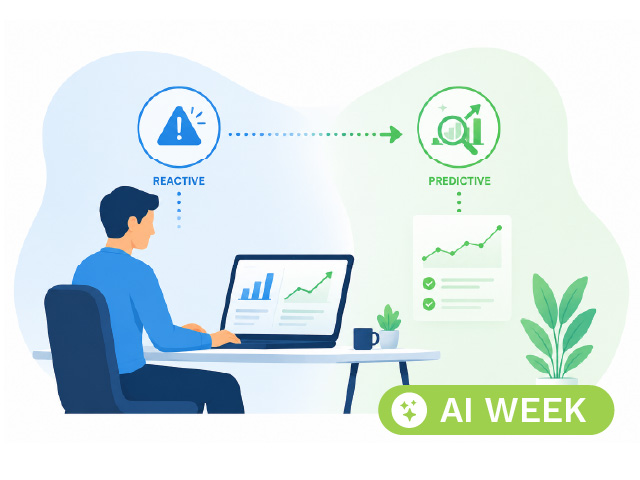
IWMS platforms deliver end‑to‑end visibility across the full lifecycle of facilities and real estate assets. Real‑time data supports predictive analytics, helping teams move from reactive firefighting to strategic planning.
Centralized dashboards let executives assess performance across regions, measure key performance indicators (KPIs) and benchmark success metrics like utilization, energy performance and project completion rates. IWMS fosters cross‑department collaboration by linking data streams from finance, operations and sustainability teams.
The result is a more strategic, agile organization that can align workplace operations with broader corporate goals.
CAFM vs IWMS: How they compare
Both CAFM and IWMS have value but they differ significantly in scope, focus and investment requirements. CAFM handles operational execution, while IWMS supports complex strategic planning at scale.
IWMS / CAFM scope and functionality differences
| CAFM | IWMS | |
| Primary focus | Operational facilities tasks | Enterprise‑wide workplace and real estate management |
| Asset management | Yes | Yes, plus portfolio analytics |
| Space management | Basic | Advanced space planning and utilization modeling |
| Lease/real estate | Limited | Full lease and real estate lifecycle |
| Energy & sustainability | Basic | Integrated energy, carbon and sustainability tracking |
| Capital planning | Limited | Comprehensive project and portfolio forecasting |
Operational vs strategic focus
CAFM’s strengths lie in daily operations, like managing work orders, tracking maintenance status and enabling staff to complete tasks efficiently. It ensures continuity in asset care and task execution.
IWMS, on the other hand, aligns operational data with strategic goals. It empowers executives to forecast future needs, optimize real estate spend, plan capital allocation and exceed sustainability goals. This broad perspective makes IWMS suited to organizations seeking competitive advantage through data‑driven workplace strategy.
Cost and implementation considerations
CAFM typically has a lower upfront cost and faster implementation due to its narrower scope. Smaller teams can onboard quickly, gaining immediate operational benefits with minimal disruption.
IWMS implementations are more comprehensive and complex. They often require integration with existing corporate systems and cross‑department coordination. While the initial investment and rollout time may be greater, the long‑term strategic benefits and improved decision‑making can yield significant ROI for large organizations.
Best fit by organization size
CAFM is ideal for small to mid‑sized operations or single‑site environments where the focus is on maintaining assets and spaces. It delivers rapid value with straightforward deployment.
IWMS is the right choice for multi‑site enterprises, organizations with complex portfolios or those looking to integrate real estate planning with strategic operational goals. IWMS supports growth, scalability and cross‑functional planning as businesses expand.
Practical use cases of CAFM and IWMS
Understanding where each system fits in real‑world settings can help organizations make confident decisions.
Examples in small to mid‑sized companies
Schools, single‑building campuses and smaller commercial sites often adopt CAFM to manage daily tasks. Facilities teams use CAFM to track maintenance requests, schedule preventive work, manage space reservations and monitor asset lifecycles. CAFM’s simplicity and relevance to day‑to‑day tasks make it a practical choice for streamlined operations.
Examples in large multi‑site enterprises
Enterprises with distributed real estate portfolios leverage IWMS for unified oversight. IWMS supports a wide range of priorities, from capital project planning across regions to energy benchmarking and sustainability reporting. For global organizations, IWMS provides a single source of truth, bringing consistency and analytics to complex decision cycles.
How do I choose a CAFM system?
Choosing between CAFM and IWMS depends on your organization’s needs, size and strategic ambitions.
Key questions to guide your decision
These questions help frame your technology roadmap and align it with your business goals:
- Do you manage one site or multiple locations?
- Is your priority daily task execution or strategic optimization?
- Do you need advanced analytics and sustainability tracking?
- Are you planning growth or portfolio expansion?
- Does your leadership require enterprise‑level reporting?
Preparing for implementation success
Regardless of the system you choose, strong implementation planning is crucial. Ensure you:
- Secure stakeholder buy‑in from finance, operations and IT.
- Establish clear objectives and performance indicators.
- Allocate time and budget for training and adoption.
- Consider a phased rollout to reduce risk and build internal confidence.
Implementation success depends on both executive support and end‑user engagement.
Ready to choose smarter?
Selecting the right software can transform operations, empower facilities teams and drive strategic impact.
Explore MRI’s extensible IWMS solution for enterprise‑wide management or see how our facilities management software supports daily operations.
For space optimization and utilization intelligence learn about our space utilization software.
Speak with our experts, request a demo or download a detailed feature comparison checklist to begin your evaluation.
FAQs
From reactive to predictive maintenance: Powering intelligent buildings at scale
Powering intelligent buildings at scale Facilities and energy are no longer standalone functions, they are central to operational performance, cost control and sustainability outcomes. This session explores how connected building data, smart systems …